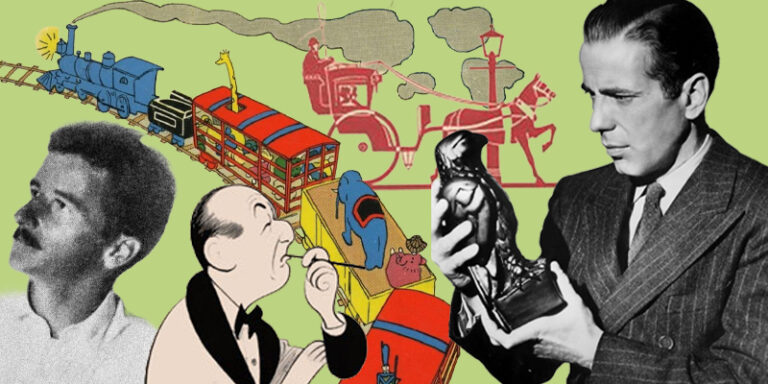
January 1st is not just an involuntary national celebration of hangovers, it’s also Public Domain Day, when a tranche of old copyrights automatically expire. This year, thousands of works from 1930 entered the public domain, along with sound recordings published in 1925.
Following last year’s tradition, here are some ideas for this year’s new crop of free-to-use books:
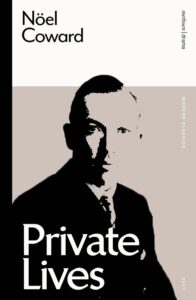
Noël Coward, Private Lives
This comedy of manners about a divorced couple who end up on separate honeymoons at the same hotel remains relatable even a century later. But for the 2026 reboot, the two couples are poly and everything is way messier than the original.
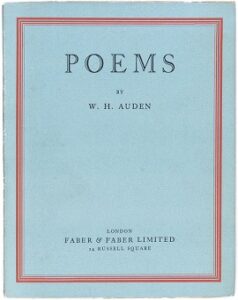
W.H. Auden, Poems
Auden’s first book was the world’s introduction to his ironic and modern poems, full of a deep sympathy and affection. But it’s 2026 and people don’t want nuanced meditations on “What kingdom can be reached by the occasions/That climb the broken ladders of our lives.” What people want are procedural cop shows that don’t make them think too much.
The Auden poem “Kairos and Logos” would make a perfect odd-couple, buddy cop show. Detective Logos is by the books, always trying to follow the facts and the data. Imagine her surprise at getting paired up with the impulsive Detective Kairos, who’s always waiting for just the right moment to spring into action. They don’t get along at a first, until they discover they both love the same American-made cars and brand name sodas! Just like the poem!
The show will also feature the “family ghosts” common in Auden’s early poems, but in the show they’re not representations of the psychological forces passed down to us from older generations, they’re the hip and sassy AI avatars of a dragnet AI surveillance program. If equal affection cannot be, then surveillance will have to fill in the gaps!
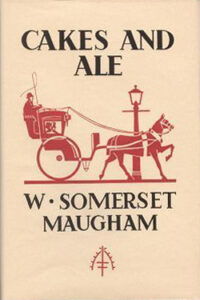
W. Somerset Maugham, Cakes and Ale
This social satire of snobby London literati is about authors, their lovers and muses, and the class dynamics that attract and repel them. This book is also famous as a thinly veiled attack on fellow novelists Hugh Walpole and Thomas Hardy, that invited a riposte in the form of a full-length novel about “a novelist who writes novels about other novelists.” I can think of a lot of people who deserve to have their reputations ruined through a novel that cuts too close to home, so let’s make this one into a huge “People Who Are The Problem” cinematic universe.

William Faulkner, As I Lay Dying
One of the most enduring and influential novels in American literature, As I Lay Dying has struck generations as a structural and stylistic thunderclap. But what I’ve long wondered is what if the distinct characters that Faulkner shifts between in the book were to combine into one voice? And what if that voice were coming from a mechanized robot that fights alien invaders and ghosts?
Michael Bay, if you’re reading, I’m working at a library today: find me. Let’s do this.
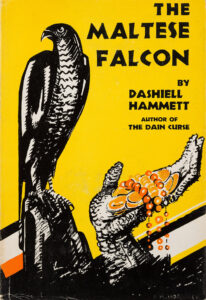
Dashiell Hammett, The Maltese Falcon
A noir classic, this book and its excellent Huston/Bogart adaptation doesn’t need any updating.
But when has that stopped anyone before?
Let’s bring this thing into the 2020s: No one cares about falcons or the Knights of Malta anymore, so let’s make Sam Spade a guy who eats spicy food for clout on YouTube that gets invited to make content with another creator, Brigid O’Shaughnessy, who’s on the hunt for a coveted brand deal with a well-known condiment brand.
In the end, it turns out she was a representative for the condiment brand all along, and was scamming the company out of the money by pretending to search for collaborators. Ultimately Spade thinks that’s “whatever, not like dreams are made of brand deals anyway.”
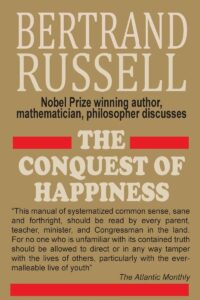
Bertrand Russell, The Conquest of Happiness
Russell’s philosophical claim that modern life is shot through with an inescapable and overbearing malaise and unhappiness is a thing of the past. Not with a new energy drink called “The Conquest of Happiness” inspired by Russell’s classic polemic and filled with supplements even Alex Jones won’t touch.
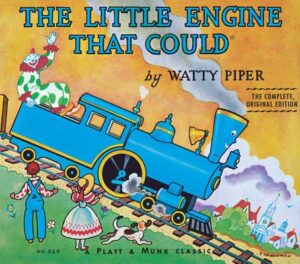
Watty Piper, illustrated by Lois Lenski, The Little Engine That Could
The children’s book about the Little Blue Engine and its gently determined “I think I can” needs to be beamed onto the phone of every American resisting our government of depraved hogmen, like Apple did with that one U2 album. We all could use a little pick me up.

